Tag: Court Process

  • How Long Does Probate Take in Texas with a Will?

    How Long Does Probate Take in Texas with a Will?

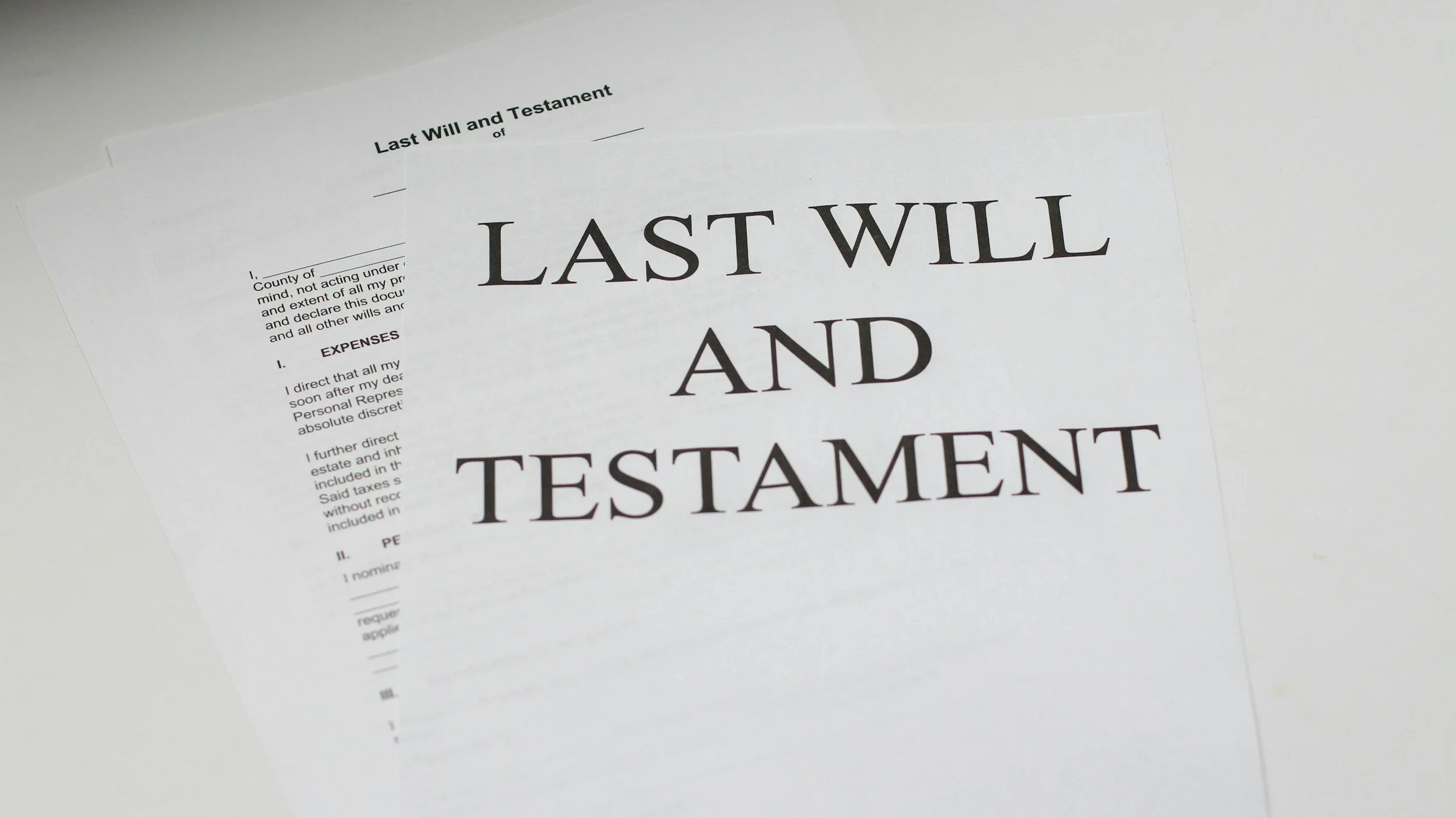
    When someone passes away with a valid will in Texas, one of the biggest questions from family members is always the same: how long does probate take in Texas with a will? The answer isn’t one-size-fits-all, but I can tell you it typically ranges from four months to a year, depending on several factors. As a Certified Probate Expert who has guided hundreds of families through this process, I’ve seen cases resolved quickly and others that hit unexpected delays.

    The good news is that having a will actually speeds up probate compared to dying without one. When there’s a valid will in Texas, we skip the heirship determination process entirely. That alone saves months of work and expense.

    The Independent Administration Advantage

    The fastest path through probate in Texas with a will is independent administration. This is the route most executors prefer, and honestly, it’s one of the best features of Texas probate law. Under independent administration, the executor has significant authority to manage and distribute the estate without seeking court approval for every decision.

    With independent administration, how long does probate take in Texas with a will? Typically four to six months for straightforward estates. The executor can pay debts, file final tax returns, and distribute assets with minimal court involvement. This streamlined approach is why so many executors choose it.

    The process starts when the executor files the will and petition with the court. The court issues an order granting independent administration authority. From there, the executor publishes notice to creditors (usually a four-week waiting period), collects assets, pays estate taxes and liabilities, and distributes what remains to beneficiaries.

    When Independent Administration Takes Longer

    Real estate transactions are often what extend the timeline. If the estate includes a house or investment property, you’ll need probate court approval to sell it, even under independent administration.
    How long does probate take in Texas with a will when there’s property involved? Add two to four months for the property sale process. The sale must go through the probate court, and there are specific procedures and waiting periods. The court must approve the sale, and creditors have time to make claims before you can close.

    Contested wills also extend the timeline significantly. If beneficiaries challenge the will’s validity, you could be looking at a year or longer. Fortunately, this is less common than many people fear, but it’s important to understand the risk.

    The Muniment of Title Alternative

    Texas offers something unique called muniment of title, which is even faster than independent administration. This simplified probate procedure is available when there’s a will but no significant debts owed by the estate.

    With muniment of title, how long does probate take in Texas with a will? Only four to six weeks in many cases. The executor files the will with the court, and after a hearing (which is often brief and sometimes virtual), the court declares the will valid. That’s it. No extended claim period, no prolonged creditor notification. This makes muniment of title ideal for small estates.

    However, muniment of title comes with limitations. You can only use it if the estate has minimal debt, and you cannot use it if the estate needs to go through dependent administration for any reason

    Dependent Administration: When Court Approval Is Required

    Some estates must use dependent administration, where the executor needs court approval for major actions. This typically applies when the will specifically requests it or when beneficiaries request it. How long does probate take in Texas with a will under dependent administration? Usually eight months to two years.

    Dependent administration requires more court involvement. The executor must petition for approval to sell property, use estate funds, or make distributions. Each action requires a separate court order. It’s slower and more expensive, but it provides beneficiaries with more oversight and protection.

    The primary difference is court involvement. With independent administration, you’re trusted to act within broad guidelines. With dependent administration, you must get permission each time.

    Factors That Speed Up or Slow Down Probate

    The size and complexity of the estate play huge roles. A small estate with liquid assets and no real property might clear in three to four months. A large estate with multiple properties, business interests, or complicated tax situations could take eighteen months or more.

    Court backlogs matter too. Some Texas counties move cases faster than others. I’ve seen rural counties resolve probate in six months that would take a year in more populated areas.

    Missing documents, tax complications, or creditor disputes are the biggest delays I see. If the IRS needs additional information, or if someone contests a creditor claim, you’re looking at additional months. That’s why having a good probate attorney and getting organized early makes such a difference.

    The Critical Four-Month Marker

    Here’s something every executor should know: even if you’re ready to distribute assets in two months, you usually can’t. Texas law requires a minimum waiting period for creditors to file claims. This period is typically four months from the date notice is published to creditors.

    So when people ask me, ‘how long does probate take in Texas with a will,’ I remind them that four months is often the absolute minimum. Even the fastest, simplest estates usually can’t clear faster than that due to this required waiting period.

    What Happens After the Waiting Period

    Once the creditor claim period expires and all debts are resolved, the executor can distribute remaining assets to beneficiaries. This is where How Long Does Probate Take in Texas? provides valuable context about the overall process.

    If everything is prepared and approved, distribution can happen within days. But if there are complications, tax returns that need final approval, or assets that are hard to liquidate, this final phase can add weeks or months.

    Working with a Probate Specialist

    Here’s my honest assessment after years of handling these cases: how long does probate take in Texas with a will depends heavily on how well the process is managed. A skilled executor working with an experienced probate attorney can save months compared to someone navigating it alone.

    I’ve seen too many executors try to handle probate without proper guidance, only to create delays that could have been avoided. Getting professional advice upfront, whether from an attorney or probate specialist, almost always pays for itself through efficiency and accuracy.

    Your Timeline Expectations

    If you’re facing probate in Texas with a will, expect somewhere between four months and a year for most estates. Independent administration typically lands around six months. Muniment of title can be as quick as six weeks. Dependent administration usually takes longer.

    The best thing you can do is gather all documents, get an estate attorney involved, and make sure the executor understands the process. Clear communication with beneficiaries about realistic timelines also prevents frustration and disputes.

    If you’re dealing with probate in Texas and want to understand your specific situation better, I’m here to help. Call or text me at 512.686.3076, or book a free, no-obligation consultation at texasprobaterealestate.com/contact.

    About the Author

    Jeremy Kritt is a licensed Texas real estate broker and Certified Probate Expert specializing in probate real estate across Travis, Williamson, Hays, Bell, Bastrop, Comal, and Bexar Counties. With nearly a decade of experience helping executors and personal representatives sell inherited properties, Jeremy has developed the As-Is Market Strategy that consistently nets estates $40,000 to $80,000 more than off-market cash offers, without requiring any property repairs. Call or text 512.686.3076 or book a consultation at texasprobaterealestate.com/contact.

    This article is for educational purposes and should not be considered legal or tax advice. Consult with a qualified attorney or CPA for guidance specific to your situation.

  • How Long Does Probate Take in Texas? A Complete Timeline

    How Long Does Probate Take in Texas? A Complete Timeline

    If someone you love has passed away and left behind property in Texas, one of the first questions on your mind is probably: how long does probate take in Texas? I hear this question almost every week from executors, administrators, and personal representatives across Central Texas. And I get it. You’re grieving, you’re overwhelmed, and now you have a legal process to navigate on top of everything else.

    The honest answer is that it depends on the type of probate, but I can give you real timelines based on what I see in Travis, Williamson, Hays, Bexar, and surrounding counties. In most cases, probate in Texas takes anywhere from a few weeks to 12 months or more, depending on the path you take. Let me walk you through exactly what to expect.

    What Determines How Long Probate Takes in Texas?

    The biggest factor in your probate timeline is which type of probate administration applies to your situation. Texas offers several paths, and each one comes with a very different timeline. The main options are independent administration, dependent administration, muniment of title, and affidavit of heirship.

    Other factors that affect the timeline include whether anyone contests the will, how many creditors the estate has, whether the property has title issues, and how quickly you and your attorney file the necessary paperwork. The court’s calendar also matters. Some Texas counties move faster than others.

    Let me break down each path so you can see where your situation likely falls.

    How Long Does Independent Administration Take in Texas?

    Independent administration is the most common type of probate in Texas when there’s a valid will, and it’s also the fastest full probate option. If the will names you as executor and grants you independent authority (most properly drafted wills do), this is the path you’ll follow.

    Here’s a realistic timeline for independent administration:

    Weeks 1 to 2: Filing the Application

    Your probate attorney files the application to probate the will with the county court. In Travis County, Bexar County, Williamson County, and most Central Texas courts, you can typically get a hearing date within two to three weeks of filing.

    Weeks 2 to 4: The Court Hearing

    The probate hearing itself is usually brief, often under 15 minutes. The judge confirms the will is valid, appoints you as executor, and issues Letters Testamentary. These letters are your legal authority to act on behalf of the estate.

    Weeks 4 to 8: Creditor Notice Period and Inventory

    Once you’re appointed, you’re required to notify creditors and file an inventory of estate assets within 90 days. During this time, you can also begin working with a probate real estate specialist to prepare the property for sale if that’s the plan. You don’t have to wait for the inventory to be filed before listing the property.

    Months 2 to 6: Property Sale and Estate Administration

    If the estate includes real property, this is when the sale typically happens. Using the As-Is Market Strategy, I help executors list the property on the open market in its current condition. Most properties sell within 30 to 45 days. The closing process takes another 30 days or so after that.

    Months 6 to 12: Closing the Estate

    After all assets are sold, debts paid, and distributions made to beneficiaries, the estate can be closed. With independent administration, you generally don’t need court approval for each step, which keeps things moving. Total timeline: 4 to 12 months for most independent administrations.

    How Long Does Dependent Administration Take in Texas?

    Dependent administration is more involved and takes significantly longer. This type of probate applies when there’s no will, when the will doesn’t grant independent authority, or when the court determines that closer oversight is needed. How Long Does Probate Take Without a Will?

    Under dependent administration, the court must approve nearly every action the administrator takes, including selling real property. This means more hearings, more paperwork, and more time.

    A realistic timeline for dependent administration is 12 to 24 months or longer. Each step requires a court order: filing the inventory, selling property, paying claims, and distributing assets. In busy counties like Bexar County or Travis County, scheduling these hearings can add weeks or months to the process.

    If you’re facing dependent administration, it’s especially important to work with professionals who understand the court requirements. A probate real estate specialist can prepare the property and have a buyer ready so that when court approval comes through, you can close quickly.

    How Long Does Muniment of Title Take in Texas?

    Muniment of title is Texas’s fastest probate option, and it’s one of the reasons I love working in this state. If the deceased left a valid will, had no unpaid debts (other than debts secured by real property), and the will doesn’t need a full administration, you may qualify for muniment of title. How Long Does Muniment of Title Take?

    Here’s what the timeline typically looks like:

    Filing to hearing: 2 to 3 weeks. The court hearing: usually under 15 minutes. Recording the order: 1 to 2 weeks after the hearing. Total timeline: 4 to 6 weeks from filing to completion.

    With muniment of title, the court simply recognizes the will as valid and transfers property directly to the beneficiaries. There’s no need for an executor to be formally appointed, no inventory requirement, and no creditor claim process. It’s remarkably efficient.

    The catch is that not every estate qualifies. If there are unpaid debts, contested claims, or complications with the will, you’ll need to go through full administration instead.

    What About Affidavit of Heirship?

    An affidavit of heirship isn’t technically probate at all, but it’s worth mentioning because it’s another way to transfer property in Texas. This option works when someone dies without a will and the estate is relatively straightforward.

    An affidavit of heirship can be prepared and recorded in as little as one to two weeks. However, many title companies require that the affidavit be on record for a period of time (sometimes several years) before they’ll insure a sale based solely on the affidavit. For this reason, if you need to sell the property soon, pairing the affidavit with a probate proceeding is often the better strategy.

    Week-by-Week Probate Timeline for Texas Executors

    Here’s a condensed overview of what a typical independent administration looks like when everything goes smoothly:

    Week 1: Meet with a probate attorney and file the application. Week 2 to 3: Attend the probate hearing and receive Letters Testamentary. Week 3 to 4: Publish creditor notice, begin asset inventory, and contact a probate real estate specialist about the property. Week 4 to 8: List the property for sale using the As-Is Market Strategy. Finalize the estate inventory. Week 8 to 12: Accept an offer, go through the closing process. Week 12 to 16: Distribute sale proceeds to beneficiaries. Month 6 to 12: Pay any remaining debts, file final accounting, and close the estate.

    Keep in mind that this is an ideal scenario. Complications like title defects, heir disputes, or creditor claims can extend any of these phases. But the point is that with the right team in place, probate doesn’t have to drag on for years.

    What Slows Down Probate in Texas?

    From what I’ve seen helping executors across Austin, San Antonio, Round Rock, Georgetown, and surrounding areas, the most common causes of delay include:

    Will contests or disputes among heirs. These can add months or even years. Missing or unclear property titles. Title issues must be resolved before a sale can close. Creditor claims that need to be validated or disputed. Delays in filing paperwork or scheduling court hearings. Properties that sit unsold because the executor isn’t sure what to do.

    That last one is more common than you’d think. Many executors lose valuable time because they’re paralyzed by the decision of whether to repair the house, accept a cash offer, or list it on the market. The sooner you talk to a probate real estate specialist, the sooner you can make an informed decision and keep the timeline moving. Texas Probate Timeline: Month by Month

    Can You Speed Up Probate in Texas?

    While you can’t control the court’s schedule, there are several things you can do to keep probate moving as quickly as possible.

    First, hire a probate attorney early. Filing promptly and correctly avoids delays from the start. Second, get organized. Gather the will, death certificate, property deeds, and financial documents before your first meeting with the attorney. Third, contact a probate real estate specialist as soon as you have Letters Testamentary (or even before). I often start working with executors during the probate process so the property is ready to list the moment they have legal authority.

    Fourth, consider whether muniment of title is an option. If you qualify, this can cut your timeline from months to weeks. How Long Does Probate Take with a Will? And finally, avoid the temptation to accept the first cash offer that comes in the mail. Those unsolicited offers from wholesalers will cost the estate $40,000 to $80,000 or more compared to listing on the open market. Taking a few extra weeks to list properly is almost always worth it.

    How Long Does It Take to Sell a House During Probate?

    This is really the question most executors are asking when they want to know how long probate takes. The property sale is often the most significant piece of the puzzle.

    Using the As-Is Market Strategy, here’s what I typically see in the Central Texas market: preparation and listing takes about 1 to 2 weeks, receiving offers takes 2 to 4 weeks on market, and closing takes 30 to 45 days after accepting an offer. Total time from listing to closing: about 45 to 75 days.

    The key advantage of the As-Is Market Strategy is that you don’t need to spend $30,000 to $50,000 on repairs or wait months for renovations. The property goes on the MLS in its current condition, gets full market exposure, and attracts competitive offers from real buyers, including investors, first-time buyers using renovation loans, and everyone in between.

    What This Means for You as an Executor

    If you’re an executor or personal representative dealing with a probate property in Texas, the timeline doesn’t have to feel endless. Most estates with real property can go from filing to property sale in 3 to 6 months when everyone involved is working efficiently.

    The most important thing you can do right now is understand which type of probate applies to your situation and start assembling your team: a probate attorney for the legal process and a certified probate real estate specialist for the property.

    Ready to Talk About Your Probate Property?

    If your probate timeline feels overwhelming and you need help selling the property, I’d love to help. Call or text me at 512.686.3076, or book a free, no-obligation consultation at texasprobaterealestate.com/contact. I’ll give you an honest assessment of your property’s value and walk you through all your options.

    About the Author

    Jeremy Kritt is a licensed Texas real estate broker and Certified Probate Expert specializing in probate real estate across Travis, Williamson, Hays, Bell, Bastrop, Comal, and Bexar Counties. With nearly a decade of experience helping executors and personal representatives sell inherited properties, Jeremy has developed the Advanced As-Is Market Strategy that consistently nets estates $40,000 to $80,000 more than off-market cash offers, without requiring any property repairs. Call or text 512.686.3076 or book a consultation at texasprobaterealestate.com/contact.

Call (512) 686-3076