
Tag: Probate Timeline

  • How Long Does Probate Take in Texas Without a Will?

    How Long Does Probate Take in Texas Without a Will?

    When someone passes away without a valid will in Texas, the probate process becomes more complicated and significantly longer. Most people ask, ‘how long does probate take in Texas without a will?’ The honest answer is it typically takes eight months to two years, depending on whether the family agrees on the heirs and estate distribution. As a Certified Probate Expert helping people with selling real estate in probate, I can tell you that dying without a will in Texas often adds substantial time and expense to an already difficult process.

    The absence of a will means the court must determine who the heirs are. This process, called heirship proceedings, is the major time consumer. Instead of a single document stating who inherits what, the court must examine the deceased person’s family tree and apply Texas intestacy laws.

    Understanding Intestate Succession in Texas

    Texas intestacy laws are actually quite clear and fair, but they require proof. When someone dies without a will, Texas law specifies the order of inheritance. A surviving spouse typically receives a portion, children receive portions, and if there are no children, parents or siblings inherit.

    However, how long does probate take in Texas without a will? The court cannot just take your word for who the family members are. The court must have affidavits and evidence proving relationships. Birth certificates, marriage certificates, death certificates of prior family members, and sometimes testimony from family members become necessary.

    This documentation phase alone can take two to four months. If family members live in different states or if original documents are hard to locate, it takes even longer. I have had cases where tracking down a birth certificate from a relative born in another country added months to the process.

    The Heirship Determination Process

    The heirship determination is the critical difference between probate with a will and without one. This is what extends how long probate takes in Texas without a will significantly.

    The process begins when an interested party, usually a family member, files an application for determination of heirship with the probate court. That application needs to lay out the decedent’s full family history, including marital status, children, and all other surviving relatives the applicant is aware of.

    After the application is filed, the court brings in an attorney ad litem. This is not the Attorney General. It is a lawyer the court appoints specifically to look out for any heirs who may exist but have not been identified or located. This attorney conducts their own independent review of the family history and verifies that the application is accurate. The estate typically covers the cost of this attorney.

    From there, every known heir who is 12 or older must receive formal notice of the proceeding. For heirs younger than 12, notice goes to their parent, guardian, or managing conservator. On top of that, notice has to be posted at the courthouse, and in some situations additional publication or certified mail is required. All of these notice steps create built in waiting periods before the court will schedule a hearing.

    The court also requires testimony from two witnesses who have no stake in the estate. These witnesses need to be people who knew the decedent and can speak to the family relationships and marital history from their own personal knowledge. In practice, finding the right witnesses can be one of the more frustrating parts of the process, especially when the decedent was elderly or did not have many close connections in the community.

    Once all of these requirements are satisfied, the court holds a hearing. Family members have the right to appear and challenge who should be recognized as an heir. If everything lines up and the evidence is clear, the judge enters a formal judgment that establishes exactly who the legal heirs are and what share of the estate each one receives. That judgment becomes part of the permanent court record. If there are disputes, the process takes considerably longer.

    Dependent Administration Is Typically Required

    Another major difference: probate without a will in Texas often involves dependent administration by default. Without a will naming an independent executor, the estate defaults to dependent administration unless all heirs unanimously agree to an independent administration. If any heir is a minor, is incapacitated, or simply does not agree, the court oversees major decisions.

    With dependent administration, every significant action requires court approval. Selling property, spending estate money, or distributing assets all require petitions to the court. This judicial oversight adds weeks or months to the process.

    The personal representative must also provide an inventory and appraisal of all estate assets, file bond in most cases, and prepare detailed accountings for the court. These requirements are protective for heirs but time consuming.

    The critical fix is that the original flatly says the personal representative “cannot claim independent administration authority” without a will, which is wrong. They can, but only if every heir agrees.

    Common Delays in Intestate Probate

    One of the biggest delays I see in Texas intestate probate happens when family members disagree about who qualifies as an heir. For example, if a deceased person had an ex spouse or a child from a prior relationship, questions about inheritance rights can create disputes that bring the entire process to a halt.

    Even more complex are situations involving unmarried partners, contested paternity, or adult stepchildren. The court must hear evidence and make findings about family relationships before assets can be distributed. These contested heirship cases can stretch probate from one year to three years or more, depending on how many parties are involved and how willing they are to cooperate.

    How long does probate take in Texas without a will when there is family conflict? Potentially much longer than you would expect. I recommend settling disputes early and getting agreement from all family members on the heir list if possible. Every week spent arguing is a week the estate sits in limbo, and legal costs continue to climb for everyone involved.

    Here is something important that many people get wrong. You may have heard about the four year deadline to file probate after someone’s death in Texas. That rule applies specifically to probating a will. If someone dies without a will, there is no strict four year statute of limitations on filing an heirship proceeding. Texas courts can hear heirship determinations at any time after the decedent’s death.

    However, that does not mean you should wait. The practical reality is that delays create serious complications. The longer you wait, the harder it becomes to locate heirs, gather documents, preserve evidence of family relationships, and resolve tax and property issues. Witnesses who can testify about family history may become unavailable. Property values can change. Creditor situations can become more tangled.

    Most Texas courts want to see intestate probate resolved within one to two years. Filing years after the death and expecting a smooth process is unrealistic. The sooner you file, the sooner you get closure, and the less it costs everyone involved.

    Property and Real Estate Complications

    If the deceased owned real estate, probate without a will in Texas takes even longer. Texas intestacy laws pass property according to the statutory order, but that property usually cannot transfer without probate court involvement. In a dependent administration, the personal representative needs court authorization to sell real estate, the court must approve the terms of sale, the sale must close, and then distribution happens. This can add three to six months or more if the property needs to be marketed and sold. However, if all heirs agree to an independent administration, the administrator can sell property without court approval for each transaction, which significantly shortens the timeline. Property with a transfer-on-death deed or right of survivorship bypasses probate entirely. But most inherited real estate without these instruments in place requires full probate court involvement, which slows the process considerably.”

    Creditor Claims and Debts

    Even without a will, Texas requires notice to creditors. The executor or administrator must publish notice to creditors in a local newspaper within 30 days of appointment, and secured creditors must be notified directly by certified mail within 60 days. The personal representative may also give unsecured creditors a permissive notice requiring them to present claims within four months. These requirements apply in any probate, with or without a will

    “Estate debts must be paid from estate assets before any distribution to heirs. The personal representative is responsible for reviewing and verifying all creditor claims for accuracy. If there are significant debts, disputed claims, or questions about the estate’s solvency, this phase can extend the probate timeline considerably. In cases where the estate may be insolvent, the personal representative should withhold distribution until debt payment priorities are resolved.

    Tax Returns and Final Accounting

    How long probate takes in Texas without a will also depends on tax preparation. The personal representative must file a final individual income tax return (Form 1040) for the deceased. If the estate generates income during administration, a separate estate income tax return (Form 1041) may also be required. For estates exceeding the federal estate tax exemption threshold, a federal estate tax return must be filed as well — though Texas imposes no state estate or inheritance tax. These tax filings often can’t be completed until assets are gathered and appraised. And if the IRS has questions or requires additional review, you’re looking at further delay before the personal representative can be discharged

    Why You Should Act Quickly

    If you’re facing intestate probate in Texas, the best strategy is to move fast and cooperate. Delays compound. Getting a probate attorney involved immediately, gathering documents early, and reaching family agreement on heirs prevents months of additional waiting.

    I’ve seen cases where family members delayed cooperation or failed to provide necessary documents, adding an entire year to probate. That delays distribution to everyone and increases legal costs.

    Your Realistic Timeline

    So, how long does probate take in Texas without a will? A typical non-disputed intestate case is twelve to eighteen months. Cases with family agreement on heirs might resolve in eight to twelve months. Contested heirship cases can stretch two years or more.

    The variables are family cooperation, the complexity of family relationships, whether property must be sold, and whether creditor disputes arise. Every case is different, but you should plan on a substantial time commitment.

    If you’re dealing with intestate probate or property issues in a probate case, reach out. I specialize in helping executors and heirs navigate these situations. Call or text me at 512.686.3076, or book a free, no-obligation consultation at texasprobaterealestate.com/contact.

    About the Author

    Jeremy Kritt is a licensed Texas real estate broker and Certified Probate Expert specializing in probate real estate across Travis, Williamson, Hays, Bell, Bastrop, Comal, and Bexar Counties. With nearly a decade of experience helping executors and personal representatives sell inherited properties, Jeremy has developed the As-Is Market Strategy that consistently nets estates $40,000 to $80,000 more than off-market cash offers, without requiring any property repairs. Call or text 512.686.3076 or book a consultation at texasprobaterealestate.com/contact.

    This article is for educational purposes and should not be considered legal or tax advice. Consult with a qualified attorney or CPA for guidance specific to your situation.
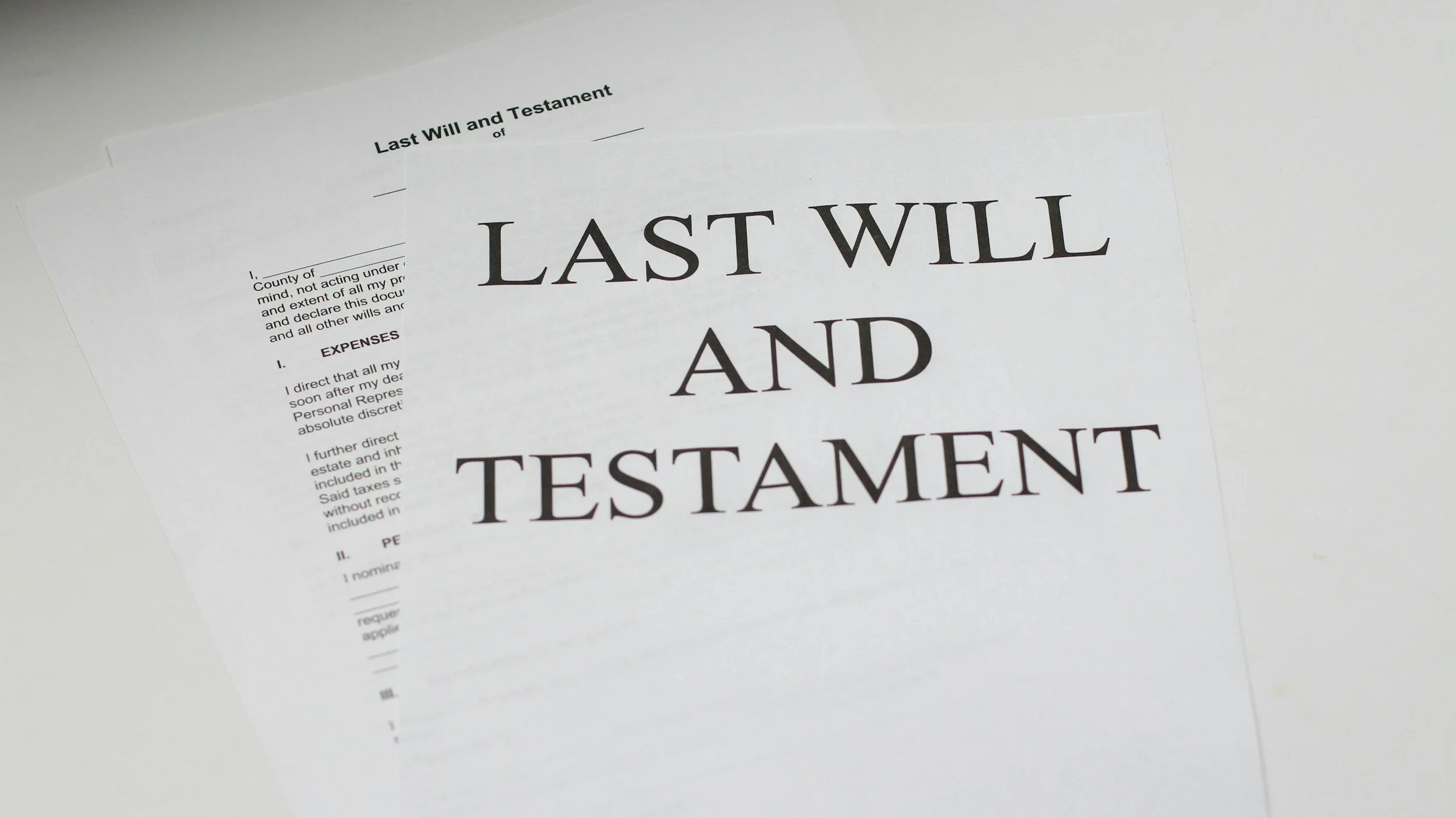

  • How Long Does Probate Take in Texas with a Will?

    How Long Does Probate Take in Texas with a Will?

    When someone passes away with a valid will in Texas, one of the biggest questions from family members is always the same: how long does probate take in Texas with a will? The answer isn’t one-size-fits-all, but I can tell you it typically ranges from four months to a year, depending on several factors. As a Certified Probate Expert who has guided hundreds of families through this process, I’ve seen cases resolved quickly and others that hit unexpected delays.

    The good news is that having a will actually speeds up probate compared to dying without one. When there’s a valid will in Texas, we skip the heirship determination process entirely. That alone saves months of work and expense.

    The Independent Administration Advantage

    The fastest path through probate in Texas with a will is independent administration. This is the route most executors prefer, and honestly, it’s one of the best features of Texas probate law. Under independent administration, the executor has significant authority to manage and distribute the estate without seeking court approval for every decision.

    With independent administration, how long does probate take in Texas with a will? Typically four to six months for straightforward estates. The executor can pay debts, file final tax returns, and distribute assets with minimal court involvement. This streamlined approach is why so many executors choose it.

    The process starts when the executor files the will and petition with the court. The court issues an order granting independent administration authority. From there, the executor publishes notice to creditors (usually a four-week waiting period), collects assets, pays estate taxes and liabilities, and distributes what remains to beneficiaries.

    When Independent Administration Takes Longer

    Real estate transactions are often what extend the timeline. If the estate includes a house or investment property, you’ll need probate court approval to sell it, even under independent administration.
    How long does probate take in Texas with a will when there’s property involved? Add two to four months for the property sale process. The sale must go through the probate court, and there are specific procedures and waiting periods. The court must approve the sale, and creditors have time to make claims before you can close.

    Contested wills also extend the timeline significantly. If beneficiaries challenge the will’s validity, you could be looking at a year or longer. Fortunately, this is less common than many people fear, but it’s important to understand the risk.

    The Muniment of Title Alternative

    Texas offers something unique called muniment of title, which is even faster than independent administration. This simplified probate procedure is available when there’s a will but no significant debts owed by the estate.

    With muniment of title, how long does probate take in Texas with a will? Only four to six weeks in many cases. The executor files the will with the court, and after a hearing (which is often brief and sometimes virtual), the court declares the will valid. That’s it. No extended claim period, no prolonged creditor notification. This makes muniment of title ideal for small estates.

    However, muniment of title comes with limitations. You can only use it if the estate has minimal debt, and you cannot use it if the estate needs to go through dependent administration for any reason

    Dependent Administration: When Court Approval Is Required

    Some estates must use dependent administration, where the executor needs court approval for major actions. This typically applies when the will specifically requests it or when beneficiaries request it. How long does probate take in Texas with a will under dependent administration? Usually eight months to two years.

    Dependent administration requires more court involvement. The executor must petition for approval to sell property, use estate funds, or make distributions. Each action requires a separate court order. It’s slower and more expensive, but it provides beneficiaries with more oversight and protection.

    The primary difference is court involvement. With independent administration, you’re trusted to act within broad guidelines. With dependent administration, you must get permission each time.

    Factors That Speed Up or Slow Down Probate

    The size and complexity of the estate play huge roles. A small estate with liquid assets and no real property might clear in three to four months. A large estate with multiple properties, business interests, or complicated tax situations could take eighteen months or more.

    Court backlogs matter too. Some Texas counties move cases faster than others. I’ve seen rural counties resolve probate in six months that would take a year in more populated areas.

    Missing documents, tax complications, or creditor disputes are the biggest delays I see. If the IRS needs additional information, or if someone contests a creditor claim, you’re looking at additional months. That’s why having a good probate attorney and getting organized early makes such a difference.

    The Critical Four-Month Marker

    Here’s something every executor should know: even if you’re ready to distribute assets in two months, you usually can’t. Texas law requires a minimum waiting period for creditors to file claims. This period is typically four months from the date notice is published to creditors.

    So when people ask me, ‘how long does probate take in Texas with a will,’ I remind them that four months is often the absolute minimum. Even the fastest, simplest estates usually can’t clear faster than that due to this required waiting period.

    What Happens After the Waiting Period

    Once the creditor claim period expires and all debts are resolved, the executor can distribute remaining assets to beneficiaries. This is where How Long Does Probate Take in Texas? provides valuable context about the overall process.

    If everything is prepared and approved, distribution can happen within days. But if there are complications, tax returns that need final approval, or assets that are hard to liquidate, this final phase can add weeks or months.

    Working with a Probate Specialist

    Here’s my honest assessment after years of handling these cases: how long does probate take in Texas with a will depends heavily on how well the process is managed. A skilled executor working with an experienced probate attorney can save months compared to someone navigating it alone.

    I’ve seen too many executors try to handle probate without proper guidance, only to create delays that could have been avoided. Getting professional advice upfront, whether from an attorney or probate specialist, almost always pays for itself through efficiency and accuracy.

    Your Timeline Expectations

    If you’re facing probate in Texas with a will, expect somewhere between four months and a year for most estates. Independent administration typically lands around six months. Muniment of title can be as quick as six weeks. Dependent administration usually takes longer.

    The best thing you can do is gather all documents, get an estate attorney involved, and make sure the executor understands the process. Clear communication with beneficiaries about realistic timelines also prevents frustration and disputes.

    If you’re dealing with probate in Texas and want to understand your specific situation better, I’m here to help. Call or text me at 512.686.3076, or book a free, no-obligation consultation at texasprobaterealestate.com/contact.

    About the Author

    Jeremy Kritt is a licensed Texas real estate broker and Certified Probate Expert specializing in probate real estate across Travis, Williamson, Hays, Bell, Bastrop, Comal, and Bexar Counties. With nearly a decade of experience helping executors and personal representatives sell inherited properties, Jeremy has developed the As-Is Market Strategy that consistently nets estates $40,000 to $80,000 more than off-market cash offers, without requiring any property repairs. Call or text 512.686.3076 or book a consultation at texasprobaterealestate.com/contact.

    This article is for educational purposes and should not be considered legal or tax advice. Consult with a qualified attorney or CPA for guidance specific to your situation.

  • Texas Probate Timeline: What to Expect Month by Month

    Texas Probate Timeline: What to Expect Month by Month

    When you’re appointed as an executor or administrator of an estate in Texas, one of the hardest parts is not knowing what comes next. The texas probate timeline can feel like a black box, and when you’re already dealing with loss, that uncertainty makes everything harder. I’ve walked hundreds of executors through this process across Central Texas, and I want to lay out exactly what each month typically looks like so you can plan ahead.

    Every estate is different, but the month-by-month timeline below reflects what I see most often in Travis, Williamson, Hays, and Bexar Counties for a standard independent administration. If your situation involves dependent administration or contested issues, the timeline will be longer. How Long Does Probate Take in Texas?

    Pre-Filing: The First Two Weeks After a Loved One Passes

    Before probate officially begins, there are a few critical steps to take care of. This is the period between the death and filing the probate application with the court. Most executors spend this time obtaining death certificates (order at least 10 certified copies), securing the property, and locating the will.

    If there’s real estate involved, this is also when you should start thinking about property management. Make sure the homeowner’s insurance is still active, utilities are running to prevent pipe damage, and the property is locked and secure. If you’re out of state, ask a neighbor or family member to check on the property regularly.

    During this time, I’d also recommend reaching out to a probate attorney and a probate real estate specialist. Even though you can’t sell anything yet, getting your team in place early can save weeks down the road.

    Month 1: Filing the Application and Getting Your Court Date

    This is when probate officially starts. Your attorney files an Application to Probate the Will (or an Application for Administration if there’s no will) with the county probate court. In most Central Texas counties, you’ll get a hearing date within two to four weeks of filing.

    While you wait for the hearing, use this time productively. Start compiling a list of all estate assets: real property, bank accounts, vehicles, investment accounts, and personal property. This information will be needed for the estate inventory later. If the estate includes a house, contact a certified probate real estate specialist to get a preliminary valuation so you know what you’re working with.

    One important note: Texas has a 4-year deadline to file probate after the date of death. While most people file within weeks, I’ve seen situations where families didn’t know they needed to file and nearly missed the window.

    Month 1 to 2: The Probate Hearing and Letters Testamentary

    The probate hearing is the moment many executors dread, but it’s usually the easiest part of the entire process. In most cases, the hearing lasts 10 to 15 minutes. The judge will verify the will, confirm your appointment, and issue Letters Testamentary (or Letters of Administration if there’s no will).

    Once you have your Letters Testamentary, you have legal authority to act on behalf of the estate. This is the document you’ll need to access bank accounts, manage property, and eventually sell real estate. Get several certified copies from the court clerk because banks, title companies, and real estate agents will all need their own copy.

    This is also when you’ll publish a Notice to Creditors in a local newspaper. Texas law requires this, and it starts a clock for creditors to file claims against the estate. This notice period helps protect you as the executor.

    Months 2 to 3: Inventory, Creditor Claims, and Property Preparation

    During this phase, you’re juggling several responsibilities at once. You need to file an estate inventory with the court within 90 days of your appointment. The inventory lists all estate assets and their estimated values, including the real property.

    At the same time, creditors have a window to submit claims against the estate. Most legitimate claims come from mortgage companies, credit card companies, and medical providers. You’ll need to review each claim and decide whether to approve, reject, or negotiate it.

    On the real estate side, this is when things can really start moving. If you’ve already connected with a probate real estate specialist, they can prepare a market analysis, advise on pricing strategy, and get the property ready for listing. With the As-Is Market Strategy, there are no repairs to coordinate, so this preparation phase is measured in days, not weeks.

    For executors managing a property in Austin, San Antonio, Round Rock, Georgetown, or anywhere in Central Texas, getting the property listed during this phase keeps the overall probate timeline on track. You don’t have to wait until the inventory is filed to sell.

    Our probate real estate services

    Months 8 to 12: Closing the Estate

    The final phase of probate is closing the estate. With independent administration, this is relatively straightforward. You’ll prepare a final accounting that shows all income received, debts paid, and distributions made. In most cases, you can close the estate informally by getting signed receipts from all beneficiaries acknowledging their distributions.

    If the estate was under dependent administration, you’ll need to file a formal accounting with the court and get the judge’s approval before the estate can be officially closed. This adds time but provides an extra layer of protection for the executor.

    Once the estate is closed, your duties as executor are complete. The whole process, from filing to closure, typically takes 6 to 12 months for a straightforward independent administration with real property.

    What If Your Probate Timeline Is Taking Longer?

    If you’re past the timelines I’ve described and things feel stalled, you’re not alone. The most common reasons probate drags on include disputes between heirs, complicated title issues, properties that haven’t been listed for sale, and delays in filing required documents.

    The property piece is often the biggest bottleneck. I’ve worked with executors who lost 6 months or more because they didn’t know whether to repair the house, accept a lowball cash offer, or find a probate-savvy agent. The sooner you address the property question, the sooner the entire estate can close.

    Need Help Moving Your Probate Timeline Forward?

    If your probate timeline feels like it’s stalled and you need help with the property, I’d love to help. Call or text me at 512.686.3076, or book a free, no-obligation consultation at texasprobaterealestate.com/contact. I’ll give you an honest assessment of your property’s value and walk you through all your options.

    About the Author

    Jeremy Kritt is a licensed Texas real estate broker and Certified Probate Expert specializing in probate real estate across Travis, Williamson, Hays, Bell, Bastrop, Comal, and Bexar Counties. With nearly a decade of experience helping executors and personal representatives sell inherited properties, Jeremy has developed the As-Is Market Strategy that consistently nets estates $40,000 to $80,000 more than off-market cash offers, without requiring any property repairs. Call or text 512.686.3076 or book a consultation at texasprobaterealestate.com/contact.

    This article is for educational purposes and should not be considered legal or tax advice. Consult with a qualified attorney or CPA for guidance specific to your situation.

  • How Long Does Probate Take in Texas? A Complete Timeline

    How Long Does Probate Take in Texas? A Complete Timeline

    If someone you love has passed away and left behind property in Texas, one of the first questions on your mind is probably: how long does probate take in Texas? I hear this question almost every week from executors, administrators, and personal representatives across Central Texas. And I get it. You’re grieving, you’re overwhelmed, and now you have a legal process to navigate on top of everything else.

    The honest answer is that it depends on the type of probate, but I can give you real timelines based on what I see in Travis, Williamson, Hays, Bexar, and surrounding counties. In most cases, probate in Texas takes anywhere from a few weeks to 12 months or more, depending on the path you take. Let me walk you through exactly what to expect.

    What Determines How Long Probate Takes in Texas?

    The biggest factor in your probate timeline is which type of probate administration applies to your situation. Texas offers several paths, and each one comes with a very different timeline. The main options are independent administration, dependent administration, muniment of title, and affidavit of heirship.

    Other factors that affect the timeline include whether anyone contests the will, how many creditors the estate has, whether the property has title issues, and how quickly you and your attorney file the necessary paperwork. The court’s calendar also matters. Some Texas counties move faster than others.

    Let me break down each path so you can see where your situation likely falls.

    How Long Does Independent Administration Take in Texas?

    Independent administration is the most common type of probate in Texas when there’s a valid will, and it’s also the fastest full probate option. If the will names you as executor and grants you independent authority (most properly drafted wills do), this is the path you’ll follow.

    Here’s a realistic timeline for independent administration:

    Weeks 1 to 2: Filing the Application

    Your probate attorney files the application to probate the will with the county court. In Travis County, Bexar County, Williamson County, and most Central Texas courts, you can typically get a hearing date within two to three weeks of filing.

    Weeks 2 to 4: The Court Hearing

    The probate hearing itself is usually brief, often under 15 minutes. The judge confirms the will is valid, appoints you as executor, and issues Letters Testamentary. These letters are your legal authority to act on behalf of the estate.

    Weeks 4 to 8: Creditor Notice Period and Inventory

    Once you’re appointed, you’re required to notify creditors and file an inventory of estate assets within 90 days. During this time, you can also begin working with a probate real estate specialist to prepare the property for sale if that’s the plan. You don’t have to wait for the inventory to be filed before listing the property.

    Months 2 to 6: Property Sale and Estate Administration

    If the estate includes real property, this is when the sale typically happens. Using the As-Is Market Strategy, I help executors list the property on the open market in its current condition. Most properties sell within 30 to 45 days. The closing process takes another 30 days or so after that.

    Months 6 to 12: Closing the Estate

    After all assets are sold, debts paid, and distributions made to beneficiaries, the estate can be closed. With independent administration, you generally don’t need court approval for each step, which keeps things moving. Total timeline: 4 to 12 months for most independent administrations.

    How Long Does Dependent Administration Take in Texas?

    Dependent administration is more involved and takes significantly longer. This type of probate applies when there’s no will, when the will doesn’t grant independent authority, or when the court determines that closer oversight is needed. How Long Does Probate Take Without a Will?

    Under dependent administration, the court must approve nearly every action the administrator takes, including selling real property. This means more hearings, more paperwork, and more time.

    A realistic timeline for dependent administration is 12 to 24 months or longer. Each step requires a court order: filing the inventory, selling property, paying claims, and distributing assets. In busy counties like Bexar County or Travis County, scheduling these hearings can add weeks or months to the process.

    If you’re facing dependent administration, it’s especially important to work with professionals who understand the court requirements. A probate real estate specialist can prepare the property and have a buyer ready so that when court approval comes through, you can close quickly.

    How Long Does Muniment of Title Take in Texas?

    Muniment of title is Texas’s fastest probate option, and it’s one of the reasons I love working in this state. If the deceased left a valid will, had no unpaid debts (other than debts secured by real property), and the will doesn’t need a full administration, you may qualify for muniment of title. How Long Does Muniment of Title Take?

    Here’s what the timeline typically looks like:

    Filing to hearing: 2 to 3 weeks. The court hearing: usually under 15 minutes. Recording the order: 1 to 2 weeks after the hearing. Total timeline: 4 to 6 weeks from filing to completion.

    With muniment of title, the court simply recognizes the will as valid and transfers property directly to the beneficiaries. There’s no need for an executor to be formally appointed, no inventory requirement, and no creditor claim process. It’s remarkably efficient.

    The catch is that not every estate qualifies. If there are unpaid debts, contested claims, or complications with the will, you’ll need to go through full administration instead.

    What About Affidavit of Heirship?

    An affidavit of heirship isn’t technically probate at all, but it’s worth mentioning because it’s another way to transfer property in Texas. This option works when someone dies without a will and the estate is relatively straightforward.

    An affidavit of heirship can be prepared and recorded in as little as one to two weeks. However, many title companies require that the affidavit be on record for a period of time (sometimes several years) before they’ll insure a sale based solely on the affidavit. For this reason, if you need to sell the property soon, pairing the affidavit with a probate proceeding is often the better strategy.

    Week-by-Week Probate Timeline for Texas Executors

    Here’s a condensed overview of what a typical independent administration looks like when everything goes smoothly:

    Week 1: Meet with a probate attorney and file the application. Week 2 to 3: Attend the probate hearing and receive Letters Testamentary. Week 3 to 4: Publish creditor notice, begin asset inventory, and contact a probate real estate specialist about the property. Week 4 to 8: List the property for sale using the As-Is Market Strategy. Finalize the estate inventory. Week 8 to 12: Accept an offer, go through the closing process. Week 12 to 16: Distribute sale proceeds to beneficiaries. Month 6 to 12: Pay any remaining debts, file final accounting, and close the estate.

    Keep in mind that this is an ideal scenario. Complications like title defects, heir disputes, or creditor claims can extend any of these phases. But the point is that with the right team in place, probate doesn’t have to drag on for years.

    What Slows Down Probate in Texas?

    From what I’ve seen helping executors across Austin, San Antonio, Round Rock, Georgetown, and surrounding areas, the most common causes of delay include:

    Will contests or disputes among heirs. These can add months or even years. Missing or unclear property titles. Title issues must be resolved before a sale can close. Creditor claims that need to be validated or disputed. Delays in filing paperwork or scheduling court hearings. Properties that sit unsold because the executor isn’t sure what to do.

    That last one is more common than you’d think. Many executors lose valuable time because they’re paralyzed by the decision of whether to repair the house, accept a cash offer, or list it on the market. The sooner you talk to a probate real estate specialist, the sooner you can make an informed decision and keep the timeline moving. Texas Probate Timeline: Month by Month

    Can You Speed Up Probate in Texas?

    While you can’t control the court’s schedule, there are several things you can do to keep probate moving as quickly as possible.

    First, hire a probate attorney early. Filing promptly and correctly avoids delays from the start. Second, get organized. Gather the will, death certificate, property deeds, and financial documents before your first meeting with the attorney. Third, contact a probate real estate specialist as soon as you have Letters Testamentary (or even before). I often start working with executors during the probate process so the property is ready to list the moment they have legal authority.

    Fourth, consider whether muniment of title is an option. If you qualify, this can cut your timeline from months to weeks. How Long Does Probate Take with a Will? And finally, avoid the temptation to accept the first cash offer that comes in the mail. Those unsolicited offers from wholesalers will cost the estate $40,000 to $80,000 or more compared to listing on the open market. Taking a few extra weeks to list properly is almost always worth it.

    How Long Does It Take to Sell a House During Probate?

    This is really the question most executors are asking when they want to know how long probate takes. The property sale is often the most significant piece of the puzzle.

    Using the As-Is Market Strategy, here’s what I typically see in the Central Texas market: preparation and listing takes about 1 to 2 weeks, receiving offers takes 2 to 4 weeks on market, and closing takes 30 to 45 days after accepting an offer. Total time from listing to closing: about 45 to 75 days.

    The key advantage of the As-Is Market Strategy is that you don’t need to spend $30,000 to $50,000 on repairs or wait months for renovations. The property goes on the MLS in its current condition, gets full market exposure, and attracts competitive offers from real buyers, including investors, first-time buyers using renovation loans, and everyone in between.

    What This Means for You as an Executor

    If you’re an executor or personal representative dealing with a probate property in Texas, the timeline doesn’t have to feel endless. Most estates with real property can go from filing to property sale in 3 to 6 months when everyone involved is working efficiently.

    The most important thing you can do right now is understand which type of probate applies to your situation and start assembling your team: a probate attorney for the legal process and a certified probate real estate specialist for the property.

    Ready to Talk About Your Probate Property?

    If your probate timeline feels overwhelming and you need help selling the property, I’d love to help. Call or text me at 512.686.3076, or book a free, no-obligation consultation at texasprobaterealestate.com/contact. I’ll give you an honest assessment of your property’s value and walk you through all your options.

    About the Author

    Jeremy Kritt is a licensed Texas real estate broker and Certified Probate Expert specializing in probate real estate across Travis, Williamson, Hays, Bell, Bastrop, Comal, and Bexar Counties. With nearly a decade of experience helping executors and personal representatives sell inherited properties, Jeremy has developed the Advanced As-Is Market Strategy that consistently nets estates $40,000 to $80,000 more than off-market cash offers, without requiring any property repairs. Call or text 512.686.3076 or book a consultation at texasprobaterealestate.com/contact.

Call (512) 686-3076